
A Nissan LEAF battery can lose range, overheat, refuse to charge, or suddenly limit the vehicle’s power. But when does a battery problem cross the line from an inconvenience to a possible lemon law claim? The answer depends on how seriously the problem affects the vehicle and whether Nissan can fix it.
Does a Battery Problem Make a Nissan LEAF a Lemon?
Nissan LEAF battery problems do not automatically make your vehicle a lemon. Under California lemon law, the problem generally must be covered by the manufacturer’s warranty, substantially impair the vehicle’s use, value, or safety, and remain unresolved after Nissan has had a reasonable opportunity to repair it.
The following Nissan LEAF battery problems are especially concerning when they happen repeatedly and the dealer cannot fix them.
Repeated Charging Failures
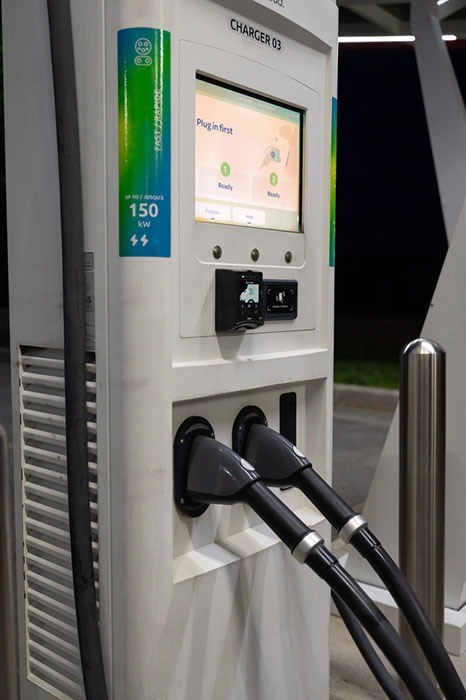
An isolated charging failure does not necessarily mean the Nissan LEAF battery has a defect. The problem could involve the charging station, cable, electrical outlet, or another outside factor.
Repeated failures are more concerning when the dealer confirms that the problem comes from the vehicle. Repair orders should identify whether the problem involves the battery, charging port, onboard charger, battery-management system, or another component.
Unexpected Loss of Power While Driving
A battery problem that causes the Nissan LEAF battery to lose power or stop unexpectedly may substantially impair its use or safety. This can be especially serious when the problem occurs at highway speeds, while entering traffic, or in another situation where the driver cannot safely move the vehicle.
Owners should document the remaining charge level, dashboard warnings, driving conditions, and what happened immediately before the loss of power. Repeated incidents that continue after repair attempts may strengthen a potential claim.
Nissan LEAF Battery Warning Lights and Fault Messages
Recurring battery warnings or fault messages may indicate an unresolved problem with the battery, charging system, electrical system, or battery-management software.
Photograph the dashboard warning before turning off the vehicle, if it is safe to do so. The warning may disappear after the vehicle restarts, making the photograph and the dealer’s diagnostic codes important evidence.
LEAF Turtle Mode and Potential California Lemon Law Claim

Turtle mode is expected when the battery is nearly depleted. However, it can also occur when the battery is extremely cold, the battery or another EV component gets too hot, or the EV system detects a fault.
Turtle mode can substantially reduce the LEAF’s power and speed. In fast-moving traffic, a sudden reduction in acceleration may create a safety concern. If the turtle-shaped warning light appears, move to a safe location, follow the dashboard warning, and have the underlying problem diagnosed if the cause is unclear.
A potential lemon law claim becomes stronger when turtle mode occurs unexpectedly despite sufficient charge, repeatedly results from overheating or a battery fault, and remains unresolved after reasonable repair attempts. The resulting loss of power may substantially impair the vehicle’s use or safety.
Useful evidence includes repair orders, diagnostic codes, photos of dashboard warnings, and records showing when the power loss occurred and how much charge remained.
What to Do if Your Nissan LEAF Battery Gets Too Hot
If the battery temperature gauge approaches the red zone, reduce your driving speed to help lower the battery temperature. If the gauge reaches the red zone, the vehicle will temporarily prevent DC fast charging, also called quick charging, to protect the battery. Allow the battery to cool before trying to fast charge it again. (Source: Nissan 2020 LEAF Owner’s Manual and Maintenance Information)

If battery overheating or unexpected turtle mode continues after repair attempts, contact us for a free consultation. We can review your repair history and help you understand whether the problem may support a California lemon-law claim.
OR CALL 1-855-595-3666
California residents only. Year restrictions apply: Model Years 2022 – 2026 Only.
Severe or Unpredictable Range Loss
All electric-vehicle batteries gradually lose some capacity over time. Normal degradation or a modest decrease in driving range does not automatically make a LEAF a lemon.
Signs of a possible defect include severe or sudden range loss, the displayed charge drops unpredictably, or the battery falls below Nissan’s warranty threshold while coverage remains active. The owner’s usual driving conditions, battery test results, mileage, capacity bars, and repair history can help distinguish normal degradation from a possible defect.
The vehicle’s age, mileage, warranty coverage, battery test results, capacity bars, repair history, and the severity of the problem can help distinguish normal degradation from a possible defect.
Long Battery Repair Delays
A lengthy repair delay may matter when a LEAF remains at the dealership waiting for battery diagnosis, replacement modules, or another covered repair. California’s lemon law presumption may apply when a qualifying vehicle is out of service for warranty repairs for more than 30 cumulative days within 18 months after delivery or 18,000 miles, whichever comes first.
The 30 days do not have to occur during one dealership visit. Owners should keep every repair order and record the dates the vehicle was delivered and returned. Rental car, towing, and other transportation records may also help document how the battery problem affected the vehicle’s use.
Do 2023–2025 LEAF Batteries Still Have the Earlier Cooling Design?
The 2023, 2024, and 2025 Nissan LEAF used passively cooled traction batteries (the main battery that powers the vehicle) rather than active liquid cooling. The vehicles monitored battery temperature and could limit charging or power when the battery became too hot.
The LEAF launched in the US in December 2010 as a 2011 model. It didn’t take long before owners started reporting battery degradation and heat-related problems. Nissan made several battery improvements over the years, including larger battery packs that increased driving range.
That passive cooling design remained in place through 2025. Without actively circulating coolant to regulate battery temperature, batteries were more sensitive to hot weather and repeated fast charging. Nissan used liquid cooling in the 2023 Ariya SUV before bringing the technology to the LEAF. The LEAF finally received liquid cooling when Nissan fully redesigned it for its third generation in 2026.
For the 2024 model, Nissan advised reducing driving speed if the battery temperature gauge approached the red zone. If the battery temperature reached the red zone, DC fast charging, also called quick charging, could be temporarily unavailable to protect the battery.
What Changed With the 2026 Nissan LEAF?
The 2026 LEAF is an all-new, third-generation vehicle, not an incremental update to the 2025 model. Nissan redesigned it as a crossover-style vehicle with a 75-kWh battery and active liquid thermal management.
Liquid cooling addresses the principal heat-management limitation found in earlier LEAF models. For that reason, battery concerns involving 2023–2025 vehicles should not automatically be applied to the 2026 design. However, because the redesigned model is new, long-term real-world battery degradation and reliability data are not yet available.
Passive cooling alone does not establish that a vehicle is defective. However, repeated overheating, charging restrictions, severe degradation, or related performance problems may be relevant when evaluating how seriously the battery issue affects the vehicle.
What Should You Do if the Battery Problem Continues?
If your Nissan LIFE battery continues to have problems, ask an authorized Nissan dealer to document the specific complaint on every repair order. Avoid descriptions such as “range seems low” when the vehicle is experiencing a more precise problem, such as a charging failure, battery warning, sudden range loss, reduced power, or inability to use DC fast charging.
Keep copies of:
The repair history is often more useful to a potential lemon-law claim than the fact that the LEAF uses passive cooling.
Can’t come to us? We’ll come to you at no cost, or we can evaluate your case by phone or email.
Call us at 855-595-3666
California Residents ONLY.
Year restrictions apply: Model years 2022 – 2026 Only!
 Ford Expedition Transmission Problems and the Dealership Paperwork Trap