
Why Some California Chevy Suburban and Cadillac Escalade Owners Think They Bought a Lemon
If you own a 2022–2026 Chevrolet Suburban or Cadillac Escalade and your “dream SUV” shudders, hesitates, or slams into gear, especially at certain speeds or in stop-and-go traffic, you’re not imagining it. You paid for a big, comfortable, long-haul SUV you could trust; instead, you’re stuck wondering whether the one in your driveway is a lemon.
Owners are complaining about the same types of transmission problems. Many describe these as repeatable, real-world symptoms, not just quirks or “feelings.”
For many California owners, these repeating transmission problems raise a bigger question: Does my Suburban or Escalade qualify as a “lemon” under California lemon law?
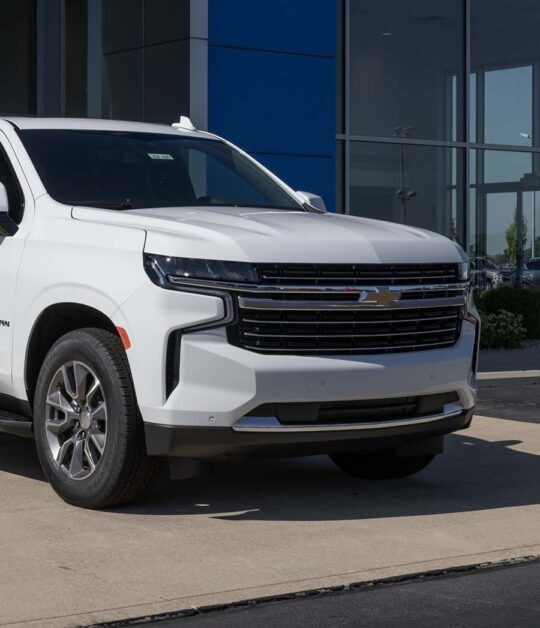
Often, these problems can’t be verified because they don’t always show up during brief test drives or quick dealership checks. For example, if the shudder occurs only at highway speeds or the harsh shift only after warm-up, a technician might miss it on a short, low-speed loop.
Some owners are being told that the shuddering, hesitation, or jerky gear changes are “normal” or “characteristic” even when the behavior feels rough, unpredictable, or out of line with a late-model Suburban or Escalade. California has lemon law protections if these problems repeat. That’s why it’s so important to document what you experience, in your own words:
Keeping this kind of log doesn’t automatically mean your vehicle is legally a “lemon,” but it can help show a consistent pattern of symptoms if there are repeated repair visits for the same concerns.
Not every Suburban or Escalade with a rough shift will qualify as a “lemon” under California lemon law, but repeating problems are a red flag worth taking seriously.
If you are a California resident, the original owner of a Chevy Suburban or Cadillac Escalade model years 2022 – 2026, and have taken your vehicle back to the dealership multiple times for the exact same defect, contact us to find out what your legal options are under the new California lemon law.
Find out if your vehicle qualifies as a lemon under the new California Lemon Law and what legal remedies are available to you.
What These Transmission Problems Feel Like on the Road
Late-model Chevrolet Suburban and Cadillac Escalade SUVs often exhibit similar transmission problems, in part because they use very similar transmissions and computer controls. These SUVs have a modern 10-speed transmission. On paper, that sounds impressive, but many owners report issues when problems occur. If there’s a weakness in the design or programming, owners of both vehicles tend to experience similar problems.
For many Suburban and Escalade owners, the first sign that something is wrong isn’t a warning light or a code. It’s the way the SUV feels on the road when it shudders, hesitates, or hits a gear harder than it should.
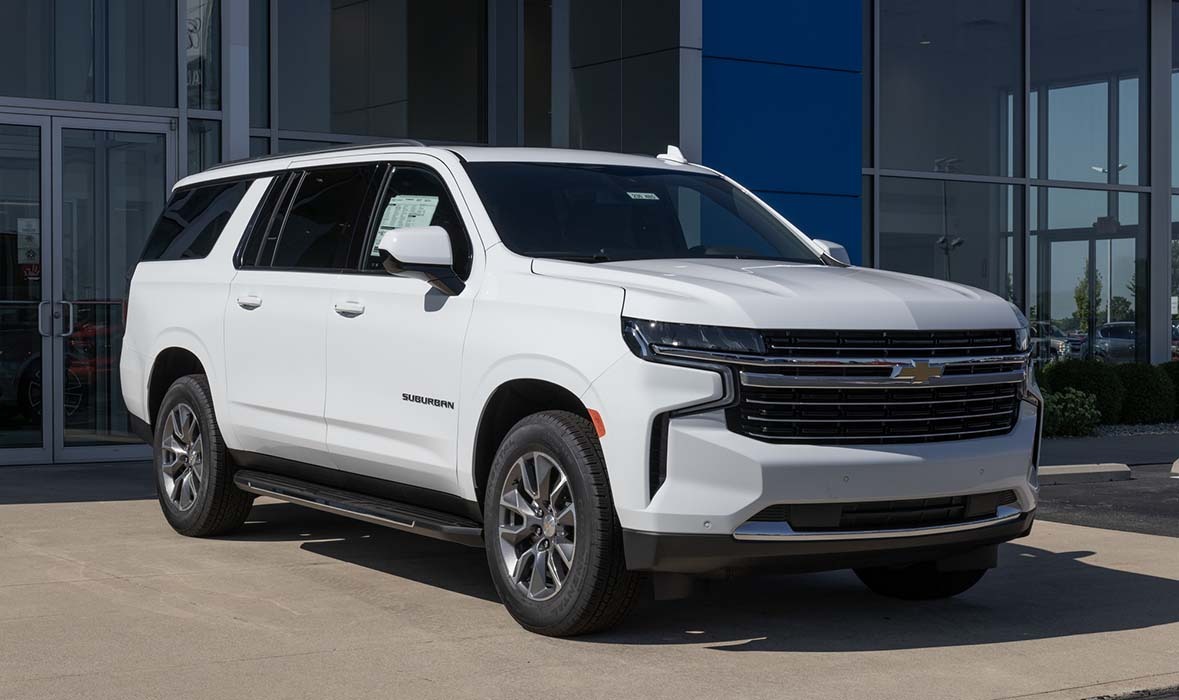
CALIFORNIA LEMON LAW CLAIMS HAVE INVOLVED:
The Shudder
Some owners describe this feeling as if their SUV is bucking ever so slightly while they hold a steady speed. Sometimes it’s a mild movement; other times it’s obvious enough that even the passengers can feel it.
You take it to the dealer. On the test drive, of course, it behaves. The technician shrugs and says they can’t reproduce the issue. Maybe they call it a “normal characteristic.” Even if the dealer can’t reproduce the issue, your written description and prior repair history still matter under California’s lemon law.
A vehicle that costs this much should not feel like it’s shaking itself apart at 40 mph.
When Shifts Feel Like Your SUV has Been Rear-Ended
Instead of clean, barely noticeable shifts, they get hard, jerky gear changes. The jump from first to second or second to third can feel like a light tap on the rear bumper. Rolling to a stop and then easing back onto the throttle, the transmission can hesitate and then thump into gear.
Another awkward shift occurs when moving the shifter into Drive or Reverse, where nothing happens for a moment before it suddenly grabs and lurches. When these kinds of hard shifts continue despite repair attempts, they can become part of a California lemon law claim.
Potential Safety-Related Pause When You Hit the Gas
Another transmission issue Escalade and Suburban owners mention isn’t just the feel of the shifts; it’s the moment nothing happens when they need power the most, such as when trying to turn left across traffic. When the SUV finally does pick up speed, it can come on more abruptly than expected.
This kind of hesitation-and-then-lunge pattern can raise potential safety concerns about the powertrain, not just “shift feel.” Problems that create potential safety concerns can be especially important when evaluating whether a vehicle has a substantial defect under the California lemon law.
When Suburban and Escalade Fixes Don’t Fix Much
Many Suburban and Escalade owners do exactly what they’re supposed to do when they suspect their SUV might be a lemon: they document the problem, go back to the dealer, and ask for help.
The first visit might end with, “We couldn’t duplicate the problem.” The second might bring a software update or a fluid change, and for a little while, the SUV behaves better. The shudder seems less noticeable, the shifts a bit smoother. You start to think the problem has finally been fixed.
Then, a few weeks or months later, the same symptoms creep back in. The vibration returns at those same speeds. The hesitation when you hit the gas shows up again at the worst times. By the time you reach this point, it no longer feels like an isolated quirk. It feels like a pattern. That kind of pattern, and multiple repair attempts for the exact same problem, often call for a closer look at your rights under California’s lemon law.
California resident with a lemon vehicle? Get a FREE case evaluation from a California lemon law expert and learn what legal options are available in your situation.
OR CALL 1-855-595-3666
When Vehicle Reliability Becomes a Safety Question
Most of the time, transmission issues show up as vibrations, jerks, and hesitation. At first, the problems are annoying and stressful, but the vehicle still moves. In some cases, though, the warnings become harder to ignore.
Owners describe seeing “Service transmission” messages or finding that the vehicle suddenly won’t shift past certain gears. Others talk about their SUV going into a kind of limp mode, a safety feature in modern vehicles that turns on when the computer detects a serious,
potentially damaging problem.
On top of that, some reports have raised real safety concerns tied to internal transmission problems, including situations where certain failures could cause rear wheels to lock up unexpectedly.
It’s not just about comfort or convenience anymore. It’s about whether you can trust your vehicle to do the one job that matters most: keep you and your family safe.
Why People Use the Word “Lemon” When Talking about Their Suburban or Escalade
By the time an owner has lived through the shuddering, the hard shifts, the hesitation, the repeated dealer visits, and the feeling of not being taken seriously, the word “lemon” often comes to mind. You spend your time and energy going back and forth to the dealer. You’re watching the odometer climb and the warranty clock tick, and you start to wonder if your vehicle will ever really be fixed.
If This Sounds Like You, Here’s What Matters Most
If you’re experiencing the same recurring transmission problems with your Chevy Suburban or Cadillac Escalade, you’re not imagining it, and you’re not being picky. It’s not unreasonable to expect a very expensive vehicle to drive smoothly, shift cleanly, and respond when you hit the gas.
The most important thing you can do is take your experience seriously, even if someone at a service desk tries to downplay it. Write down what happens, when it happens, and how often. Keep copies of every repair order, especially those from visits during the original manufacturer’s warranty period. Don’t let anyone convince you that obvious shuddering, hard shifts, or dangerous hesitation are just “how these vehicles are.”
You bought a Chevy Suburban or a Cadillac Escalade SUV because you wanted a high-end vehicle with space, power, and reliability. You have the right to challenge these defects and to pursue the remedies available under California’s lemon law.

Whether your Suburban or Escalade qualifies as a lemon depends on your specific repair history. Before you accept “one more repair,” contact us for a FREE consultation. We can assess whether you have a valid claim, and if so, help you understand your options under California lemon law.
If you think you have a claim, it’s important to get legal advice as soon as possible so you don’t miss any important deadlines.
Can’t come to us? We’ll come to you at no cost, or we can evaluate your case by phone or email.
Call us at 855-595-3666
California Residents ONLY.
Year restrictions apply: Model years 2022 – 2026 Only!
 New California Lemon Law Changes Hurt Consumers