
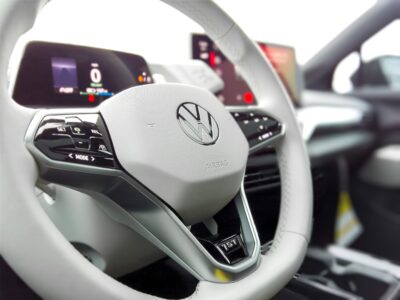
Imagine your VW ID.4 shutting down while you’re driving, a door popping open on the freeway, or a battery that never delivers the range you were promised. These aren’t quirks you shrug off and live with. They’re safety issues. And if they keep coming back, no matter how many times the dealership tries to fix them, California lemon law gives you real legal protections against these VW ID.4 defects.
Manufacturers who can’t repair a recurring defect after a reasonable number of attempts may be required to provide a buyback, a replacement vehicle, or a cash settlement, depending on your circumstances. If any of this sounds familiar, it’s worth finding out whether your Volkswagen ID.4 qualifies as a lemon.
Manufacturers who can’t repair a recurring defect after a reasonable number of attempts may be required to provide a buyback, a replacement vehicle, or a cash settlement, depending on your circumstances. If any of this sounds familiar, it’s worth finding out whether your Volkswagen ID.4 qualifies as a lemon.
High-Voltage Battery Defects: The Strongest Claim Right Now
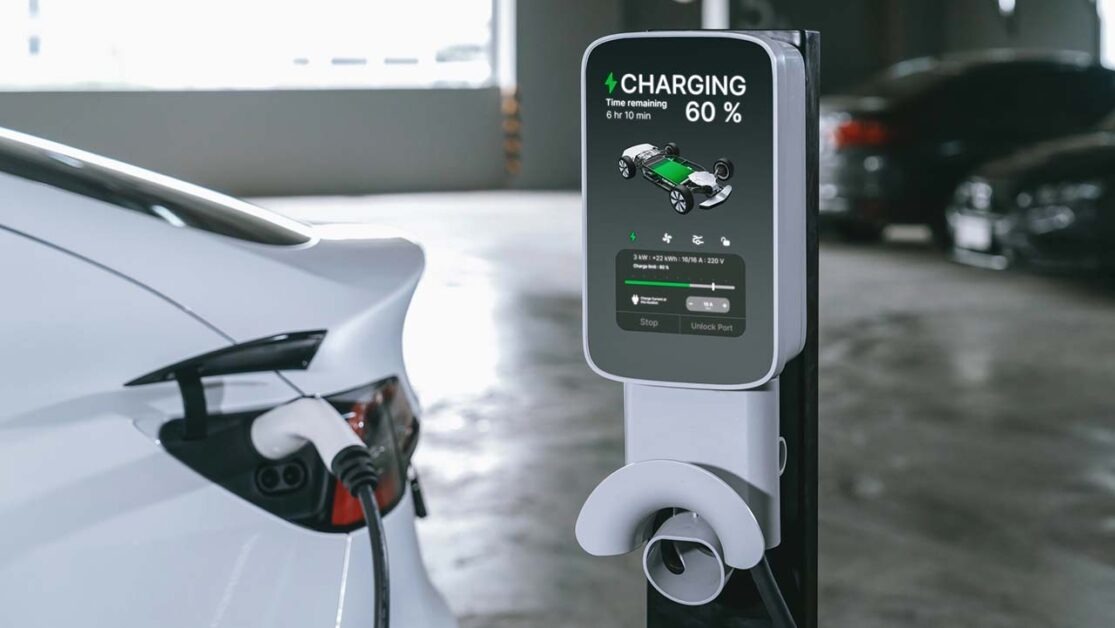
Battery problems are where many ID.4 owners have the strongest lemon law claims. Some drivers report high-voltage battery issues that create fire risk or force strict limits on when and how they can charge the car.
Because these VW ID.4 defects involve fire or thermal risk, California treats them as serious safety problems. Under the state’s “two-repair rule,” that classification matters: instead of needing a long repair history, a serious safety defect like this can qualify for lemon law protection after just two failed repair attempts within the first 18 months or 18,000 miles.
In practice, that often looks less like a technical malfunction and more like a daily inconvenience; worrying whether it’s safe to charge overnight, avoiding parking in the garage, or planning trips around a range that keeps shrinking. If the dealer keeps telling you “this is normal” or “we can’t find anything wrong” while the same symptoms return, that pattern is exactly what the two-repair rule is designed to address.
Electrical System Failures and Full Shutdowns
Some ID.4 owners have reported total electrical blackouts while driving. The dashboard, onboard computer, and lights all cut out at once, leaving only steering, gas, and brakes functioning. Losing your speedometer and instrument cluster mid-drive is a safety problem, not a minor annoyance, and like the battery issue above, it can qualify under the two-repair rule rather than requiring a longer repair history.
If this has happened to you, write down what happened as soon as you can:
The more clearly your paperwork documents a serious safety problem that the dealer couldn’t fix, the stronger the connection to your legal protections.
Doors Opening While Driving: The 2024 Recall
In September 2024, Volkswagen recalled nearly 100,000 ID.4s over a door handle defect that could cause doors to open unexpectedly while the vehicle was in motion, following an earlier recall of roughly 18,000 vehicles for the same problem. A door popping open at speed is about as clear-cut a safety defect as they come, and owners who’ve experienced it firsthand may have a strong claim. You can view the full recall report directly from NHTSA: [RCLRPT-24V651-4313.PDF]
A recall notice alone doesn’t automatically make your ID.4 a lemon. Many cars are fixed with a single repair. Where this starts to look like a lemon law case is when the same recall-related problem comes back after the “fix,” or the dealer says the repair is complete, but you still experience doors opening or failing to latch. In that situation, the recall history, your repair records, and your own notes or photos work together to show a pattern the law takes seriously.
Screen Failures, Charging Problems, and Other Reported Issues
Not every ID.4 complaint carries the same legal weight, but a few are worth watching.
Some owners report the infotainment screen suddenly shutting off — a problem that seemed resolved by software updates in earlier model years but has resurfaced in some 2025 ID.4s. Separately, persistent complaints about inconsistent range, slow charging, failure to charge altogether, and compatibility issues with public charging stations continue to surface.
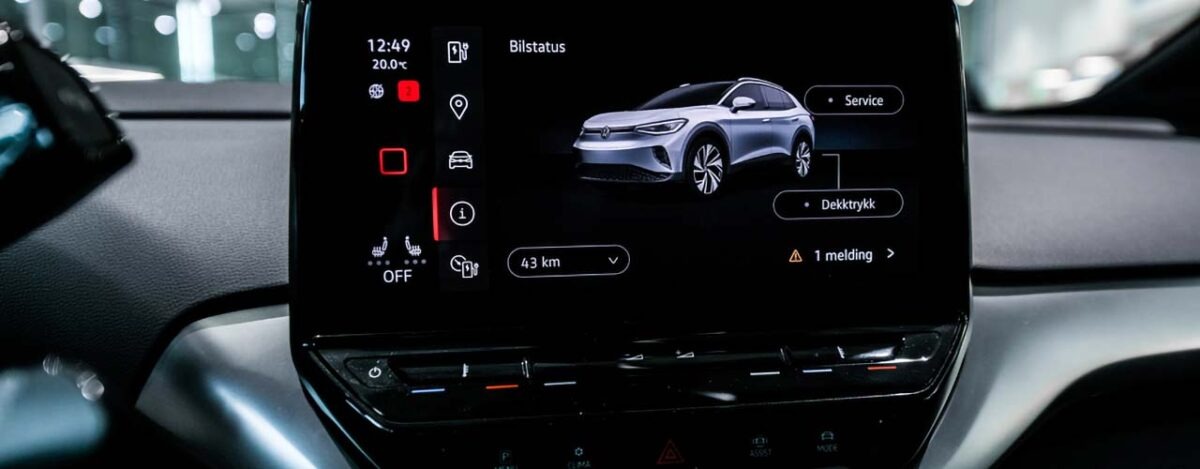
These issues typically fall under “substantial impairment of use or value” rather than the safety presumption, which usually means a longer repair history is needed to build a claim; unless a charging failure leaves the car undriveable altogether.
Even so, they matter: planning around longer charging stops than advertised, avoiding public stations that have failed before, or hesitating to sell or trade in the car because of its reputation all speak to how much a defect interferes with using the vehicle the way a reasonable driver would expect.
New California Rules That Affect Your VW ID.4 Claim

Since January 2025, California has layered new procedural requirements on top of the same underlying lemon law standard, through AB 1755 and SB 26. AB 1755 was signed into law in September 2024. SB 26 was a follow-up bill intended to clarify ambiguities in AB 1755 and was signed in April 2025.
These procedures apply only to manufacturers who’ve formally opted in. If they opt in, they’re locked in for five years. As of July 2026, Volkswagen has not opted in. The California Department of Consumer Affairs publishes an updated list of participating manufacturers every year, so it’s worth confirming Volkswagen’s current status rather than assuming it applies.
None of this changes whether vehicle defects qualify under the California lemon law.
If you’re already dealing with repeated VW ID.4 problems, keep every repair order, every text or email with the dealer, and any notes you make after a breakdown or shutdown. That paper trail makes it much easier for an attorney to tell you how strong your claim is under California’s current rules.
FAQs About ID.4 & the Lemon Law
California Residents ONLY
Think your VW ID.4 might qualify? Fill out the form below for a free case review. Or, give us a call at 855-595-3666. We’ll let you know where you stand and what your options are.
 Suburban And Escalade (Model Years 2022-2026): Common Transmission Problems